Van, Container, Claim: A Tool Security Routine for 2026 That Insurers Will Actually Recognise

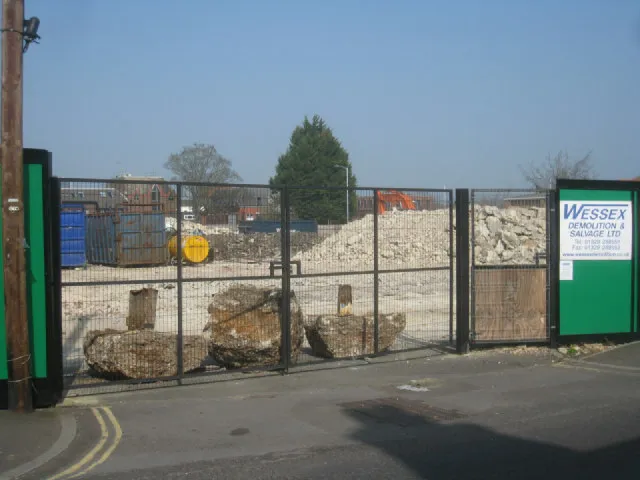
Photo: Richard Sutcliffe , CC BY-SA 2.0, via Wikimedia Commons
Tool theft is one of those problems that feels personal until you have to explain it to an insurer. Then it becomes admin. In 2026, the contractors who recover best from a theft are usually the ones who treated security and record-keeping as part of the same job. Not because they are paranoid, but because they know a claim needs evidence, not just a police report and a bad mood.
Start with the kit register nobody wants to build
Every tool over a sensible value should be logged. Make, model, serial number, purchase date, receipt, photo, replacement value. Keep the register in the cloud and update it when you buy or retire kit. A spreadsheet is fine. A shoebox of receipts is not.
Mark your tools too. Visible engraving or postcode marking helps police and insurers. Covert forensic marking helps if visible marks are removed. Add the marking reference to the register. If your van is emptied in the night, you want a list you can send to the insurer within the hour, not a rough guess between two coffees.
Make the van a hard target
A standard van lock is a starting point, not a security plan. Deadlocks, a van vault or secure drawer system, an immobiliser and tracking are the basics worth pricing in. Park smart: nose-in to a wall or fence, under lighting, and ideally off the road overnight. Empty the van when you can. If tools have to stay in, put them in a locked box and keep them out of sight.
Check your policy for tools left in a vehicle overnight. Some cover is limited, some excludes theft without forced entry, and some requires the tools to be in a locked compartment. Knowing that before a claim is much cheaper than discovering it afterwards.
Containers, stores and access routines
A site container is only secure if it is treated like one. Good locks, hinge bolts, a ground anchor, an alarm, CCTV and lighting all help. So does signage warning that kit is marked and tracked. But the weakest point is usually the routine: keys handed out and never logged, doors propped open, out-of-hours deliveries left unattended.
Keep a named keyholder list. Log who has keys and fobs. Have one person responsible for locking up. Use a visitor log and challenge people you don't recognise. It sounds basic because it is, but basic habits are what make a site a less attractive target.
Slow the thief down
Security is often about time. Cable locks, tool locks, locking bars, secure cabinets and tracking tags all make a quick smash-and-grab take longer. Store high-value kit separately. Don't leave batteries, chargers and cases on display. If you use a shared yard or compound, agree who is responsible for locking up and who checks CCTV.
Read the insurance small print before you need it
Check your sum insured. Check cover for portable equipment away from your premises. Check the tools-in-vehicles limit. Check overnight exclusions, policy excess and how quickly you must notify a claim. If you employ subcontractors, ask whether their tools are covered by your policy or theirs.
Tell your broker about tracking, secure storage and site routines. It may help at renewal, and it creates a record that you take security seriously. Keep proof: photos of locks and containers, receipts for security upgrades, service records for alarms and tracking.
If the worst happens
Report it to the police and get a crime reference number. Notify your insurer promptly. Photograph the damage, forced entry and the empty space where the kit was. Send the stolen-items list with serial numbers, receipts and register entries. Don't replace everything before the insurer has assessed the claim unless it is an emergency, and keep all emails and reference numbers together.
A ten-minute weekly routine
Monday morning: update the kit register, check van locks and tracking, audit keys, and clear anything valuable from the cab. It is a small habit. But when a claim lands, that ten minutes is the difference between a clean file and a long argument.